



















































Alien: Earth (2025) Reviews – Sydney Chandler and Timothy Olyphant Star in Sci-Fi Drama on Streamer
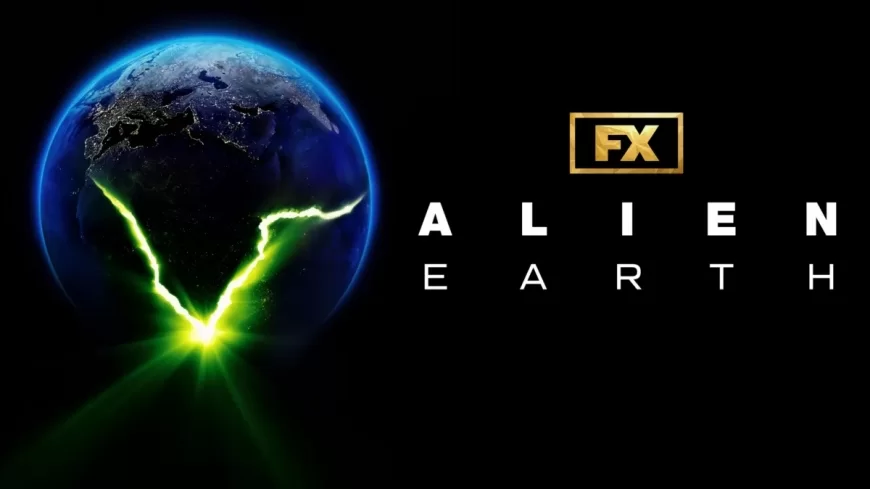
Rating: ⭐⭐⭐⭐ (4/5) Alien: Earth (2025) Review – Noah Hawley’s prequel series blends xenomorph horror, corporate dystopia, and philosophical depth with strong performances and stunning visuals.
Rating: ⭐⭐⭐⭐ (4/5)
Alien: Earth, created by Noah Hawley, marks a daring new chapter for the legendary Alien franchise. Set two years before the events of the original 1979 classic, this series blends the franchise’s signature xenomorph terror with philosophical undertones, corporate dystopia, and a deeply human story. Premiering as a high-profile television event, it feels cinematic in scope while delivering the sustained tension and world-building that only a long-form format can provide.
PLOT SYNOPSIS
In a near-future Earth dominated by ruthless mega-corporations, the research vessel USCSS Maginot crashes, unleashing a horrifying alien threat into an already fragile world. At the heart of the story is Wendy, a terminally ill child whose consciousness has been transferred into a synthetic body—an unsettling result of human experimentation. As chaos spreads, Wendy finds herself confronting both the alien menace and the chilling realities of corporate greed, human exploitation, and questions of identity.
PERFORMANCES
Sydney Chandler delivers a standout performance as Wendy, balancing vulnerability with resilience in a way that makes her journey deeply affecting. Timothy Olyphant lends gravitas and quiet authority to his role, while Adarsh Gourav and Erana James bring layered performances that flesh out the human drama amidst the horror. The ensemble cast complements one another, ensuring that every emotional beat lands as effectively as the high-tension moments.
DIRECTION & SCREENPLAY
Noah Hawley’s vision for Alien: Earth is ambitious, intricate, and visually striking. The series builds a rich, oppressive world in its opening episodes, immersing viewers in corporate-dominated cities, desolate landscapes, and hauntingly sterile laboratories. The narrative is unafraid to slow down for philosophical reflection, though this occasionally results in pacing dips. While some subplots feel dense and overextended, the payoff comes in moments of high tension and chilling horror that remind audiences why the Alien universe remains so compelling.
TECHNICAL MERITS
Visually, the series is a triumph. The production design captures a blend of bleak futurism and grimy realism, echoing the franchise’s cinematic roots. Creature effects are used sparingly but effectively, maintaining suspense without overexposing the terror. The cinematography employs moody lighting, tight framing, and a muted color palette to heighten tension. The sound design, from eerie silences to sudden alien shrieks, keeps viewers on edge, while the score reinforces both the dread and the emotional core of the story.
AUDIENCE & CRITICAL RESPONSE
Early reactions have been largely positive. Fans of the franchise appreciate its return to the slow-burn horror and atmospheric dread that defined the original films. Critics have praised the performances—especially Chandler’s—and the show’s willingness to tackle deeper themes alongside its creature-feature thrills. However, some have noted that the series’ complexity and measured pacing may challenge viewers expecting a straightforward action-horror experience.
FINAL VERDICT
Alien: Earth is a bold and thoughtful addition to the Alien saga. It honors the legacy of the original while carving out a distinct identity through its philosophical depth, strong performances, and haunting visuals. Although its ambition sometimes outweighs its narrative clarity, the series remains gripping, unsettling, and ultimately rewarding. For longtime fans, it’s a worthy expansion of the universe. For newcomers, it offers a chilling gateway into one of science fiction’s most enduring and terrifying worlds.