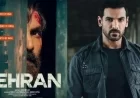
































Tehran Movie Review (2025) – John Abraham’s Gripping Spy Thriller Blends Politics, Emotion & Espionage
Rating: ⭐⭐⭐⭐ (4/5). Read Tehran (2025) movie review starring John Abraham, Manushi Chhillar, and Neeru Bajwa. A tense spy thriller inspired by real events, combining geopolitics, emotional depth, and sharp storytelling. Includes rating, plot, performances, direction, technical merits, audience response, and verdict.
Rating: ⭐⭐⭐⭐ (4/5)
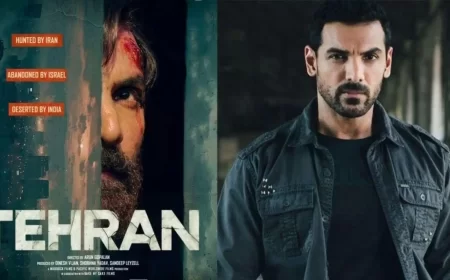
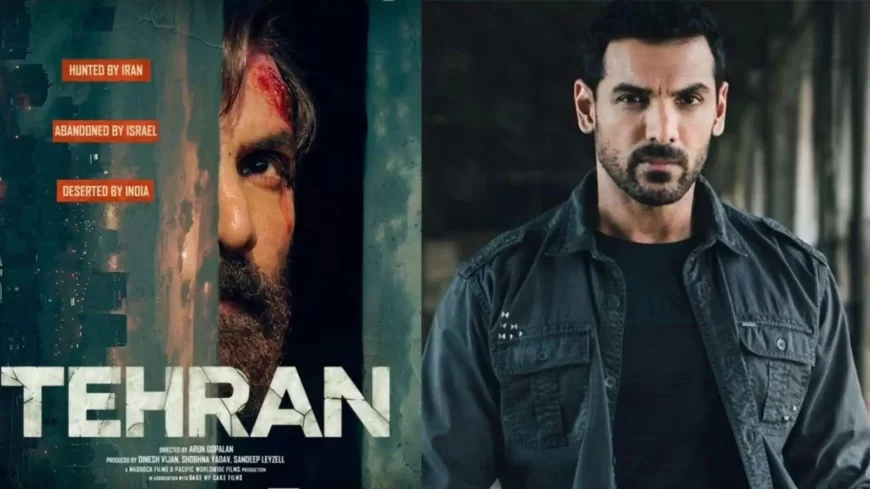
Tehran, directed by Arun Gopalan and streaming on ZEE5, is a tense, layered geopolitical thriller inspired by the 2012 bomb attacks on Israeli diplomats in Delhi, Tbilisi, and Bangkok. The film weaves real-world political tensions into a fictional yet emotionally charged narrative, using espionage as the lens to explore duty, grief, loyalty, and betrayal. At the heart of this story is John Abraham, stepping away from his usual high-octane action persona to deliver one of his most restrained and impactful performances in recent years.
PLOT SYNOPSIS
DCP Rajeev Kumar (John Abraham), a senior Special Cell officer, is thrust into a deeply personal and politically volatile case when a bomb explodes near the Iranian embassy in Delhi. Among the casualties is a young girl he had met only minutes earlier, a chance encounter that leaves an indelible scar.
As Rajeev begins his investigation, the trail leads to an intricate network of international operatives, shadow agencies, and political players. The mission soon takes him to Tehran—the geopolitical powder keg where Iran, Israel, and India’s strategic interests collide. Every step in the Iranian capital is fraught with danger, as shifting loyalties, coded messages, and dangerous alliances blur the lines between friend and foe. What begins as a quest for justice evolves into a battle for truth in a world where morality is negotiable, and survival depends on deception.
PERFORMANCES
-
John Abraham: In Tehran, John abandons his muscle-bound, larger-than-life action hero mold for a more introspective, grounded role. His Rajeev is a man who channels his grief into precision, navigating political minefields with both physical presence and emotional restraint. This is arguably one of his most mature portrayals, marked by subtle gestures and a slow burn intensity.
-
Manushi Chhillar: She brings an understated elegance to her role, portraying a strong-willed woman entangled in the complexities of the mission. Despite limited screen time, she leaves an impact in the moments she’s given.
-
Neeru Bajwa: As an ally in hostile territory, she lends warmth and authenticity, grounding Rajeev’s journey in human connection.
-
Supporting roles are handled with care, ensuring even brief appearances feel meaningful to the overall web of intrigue.
DIRECTION & SCREENPLAY
Arun Gopalan wastes no time setting the tone, opening with an arresting sequence that blends personal tragedy with political urgency. The screenplay, rich in geopolitical context, demands the viewer’s focus—there are no spoon-fed explanations here. The pacing alternates between tense build-ups and bursts of decisive action, creating a rhythm that mirrors the unpredictability of intelligence work.
The writing doesn’t reduce global politics to simple good-versus-bad narratives. Instead, it thrives in moral ambiguity—where national interests override individual ethics, and today’s ally could be tomorrow’s adversary. Dialogue is crisp, occasionally laced with double meanings, reflecting the coded nature of espionage conversations.
TECHNICAL MERITS
The technical execution of Tehran elevates it beyond the average OTT thriller:
-
Cinematography: The visuals make effective use of close, shadow-drenched frames to convey paranoia, while expansive street shots immerse the viewer in the heart of Tehran. Even though much of the film is shot outside Iran, the production team convincingly recreates the city’s look and atmosphere.
-
Language Authenticity: The multilingual approach—using Hindi, Farsi, and Hebrew—adds realism and reflects the true complexity of international operations.
-
Production Design: From embassy interiors to bustling markets and dimly lit safehouses, every set piece feels lived-in, enhancing immersion.
-
Music & Background Score: The score is subtle, never overwhelming the narrative, instead pulsing beneath the surface like a steady heartbeat. Key action sequences are accentuated by precise sound design, amplifying tension without gimmicks.
AUDIENCE & CRITICAL RESPONSE
The film has drawn praise for its realistic portrayal of international intelligence work and John Abraham’s career-redefining performance. Viewers appreciate its refusal to dumb down political complexity, finding satisfaction in piecing together the clues alongside the protagonist. Some have noted that the slower, dialogue-heavy segments may not cater to audiences expecting a conventional action spectacle—but for those invested in layered storytelling, Tehran delivers.
On social media, reactions highlight the film’s maturity, with many calling it one of the most compelling Independence Day OTT releases in recent memory. The absence of over-the-top action in favor of calculated tension has been singled out as a refreshing change in the spy genre.
FINAL VERDICT
Tehran is a sharp, atmospheric espionage drama that trades relentless gunfights for calculated moves and moral quandaries. It’s a film that rewards attention, patience, and a taste for politically grounded thrillers. John Abraham’s understated performance anchors a story where every conversation, every glance, and every decision could mean the difference between life and death.
For viewers who appreciate intelligent cinema that respects its audience’s ability to follow complex narratives, Tehran is not just a watch—it’s an experience.